Sylvester Mireles - Career
Return to Home
The Silent Catalyst
In 1962, my father, Sylvester Raymond Mireles, became the first Latino faculty member at East Los Angeles College. It’s hard to believe that there was a time when there were no Latinos on staff at this center of Chicano education and culture in East LA, but back in the early 60’s, Latinos were still outsiders with no seat at the table. Ray (as he chose to be called,) was a pioneer in the Chicano movement for proudly wearing his ethnic identity as he began his work as a teacher and role model to the Mexican-Americans who came to dominate the neighborhoods of East LA in the post war. If that was all he did, his measure would still be heroic.
But he did much, much more. After teaching long enough to obtain tenure, he worked with the President of the College, Kim Wells, to bring in grant money to help the Mexican-American students who enrolled in the school – but who then quickly struggled academically. With 70% of the Latino students on academic probation, something needed to be done. In response, my father, along with educator Jerry Sharon, received a number of grants that led to the foundation of the USTED program. These grants totaled into the millions of dollars and helped establish ELAC as a leader in community college education.
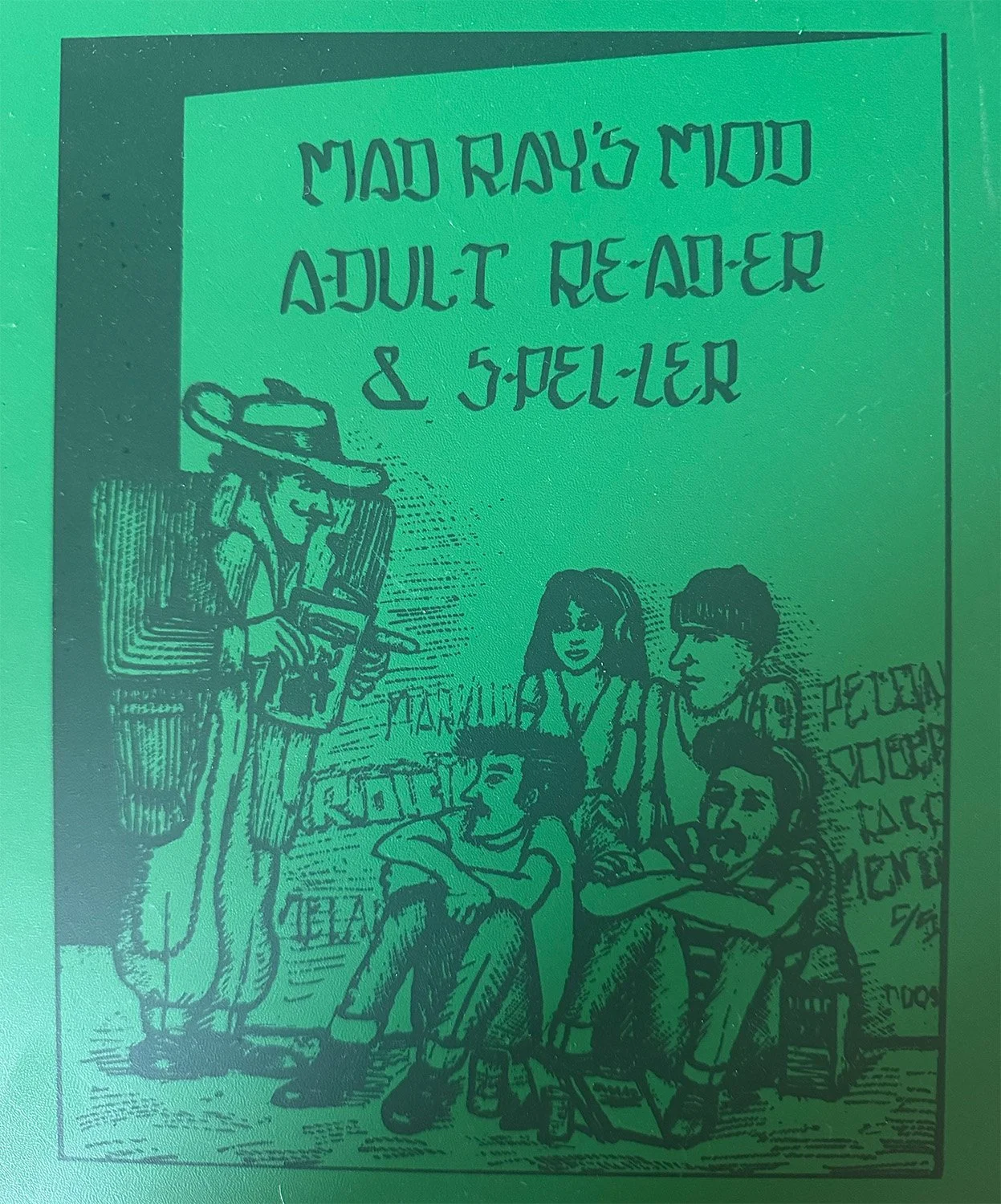
This revolutionary program used a series of steps to increase students' self-esteem and their ability to learn the class material. Through audio cassettes of confidence building material and recorded course lectures, he helped struggling students master their coursework. Often students couldn’t read properly. For them, he created Mad Ray’s Mod Reader. Everyone from underserved students to ex-cons were welcome to learn and improve their lives.
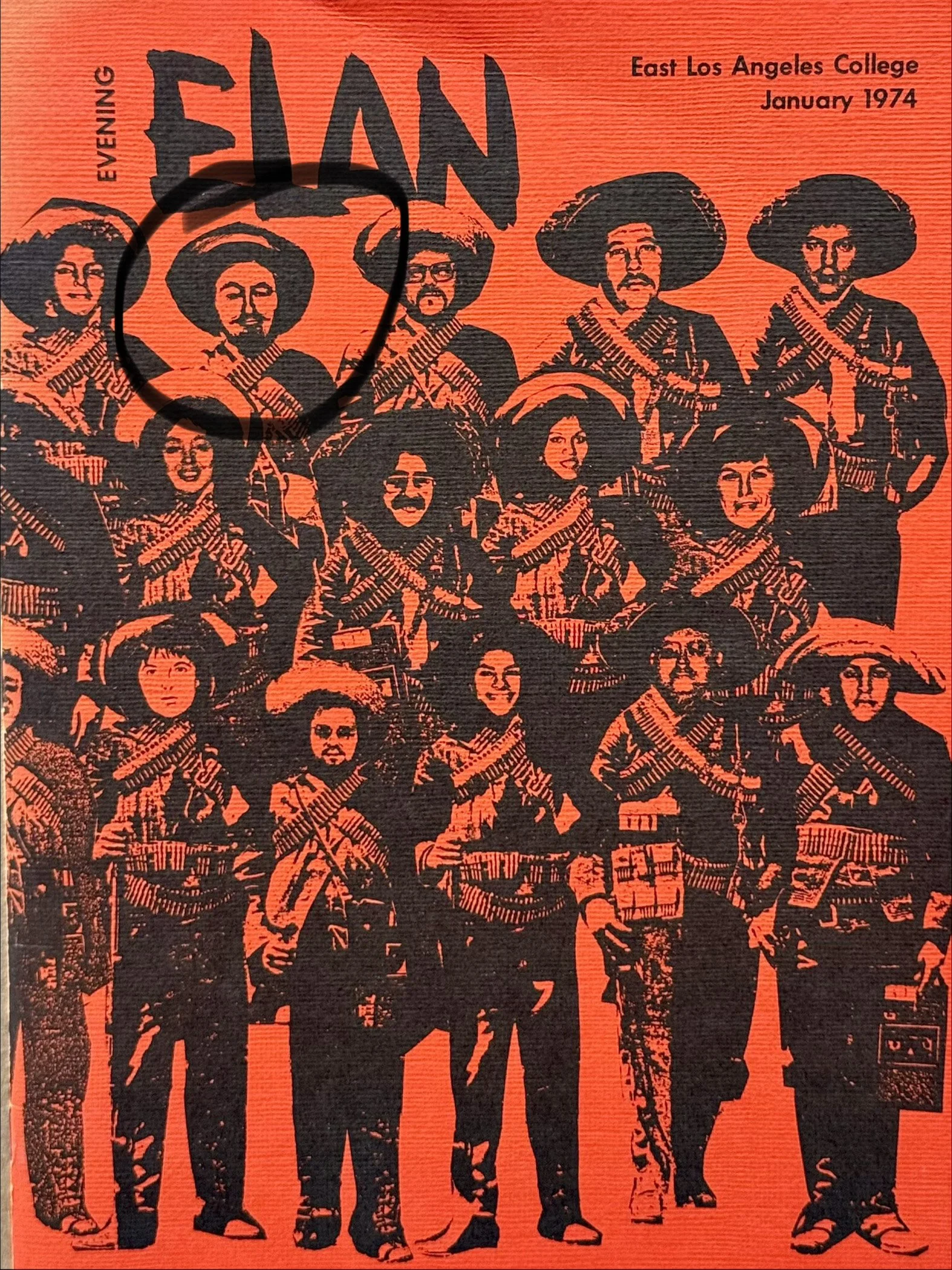
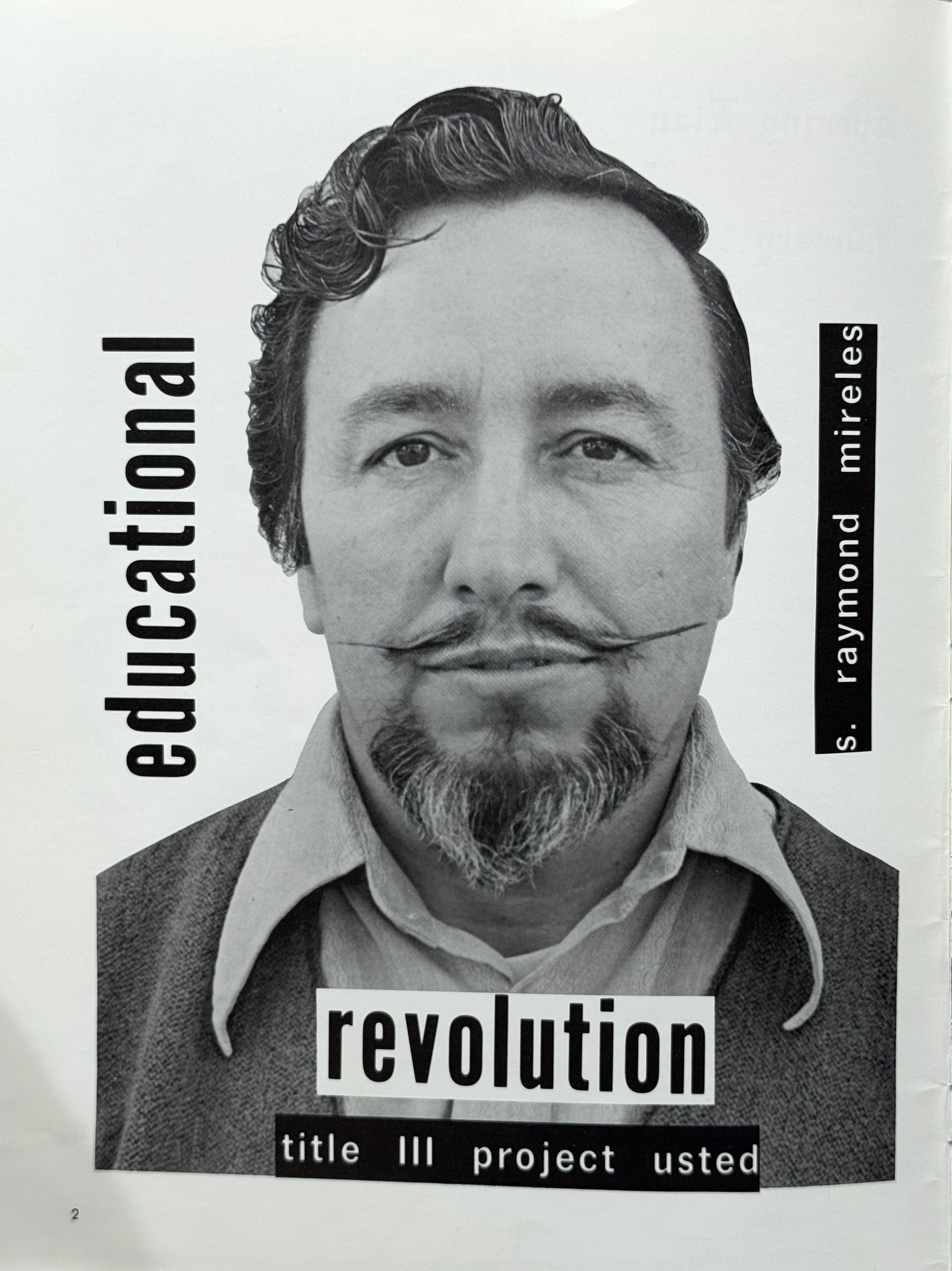
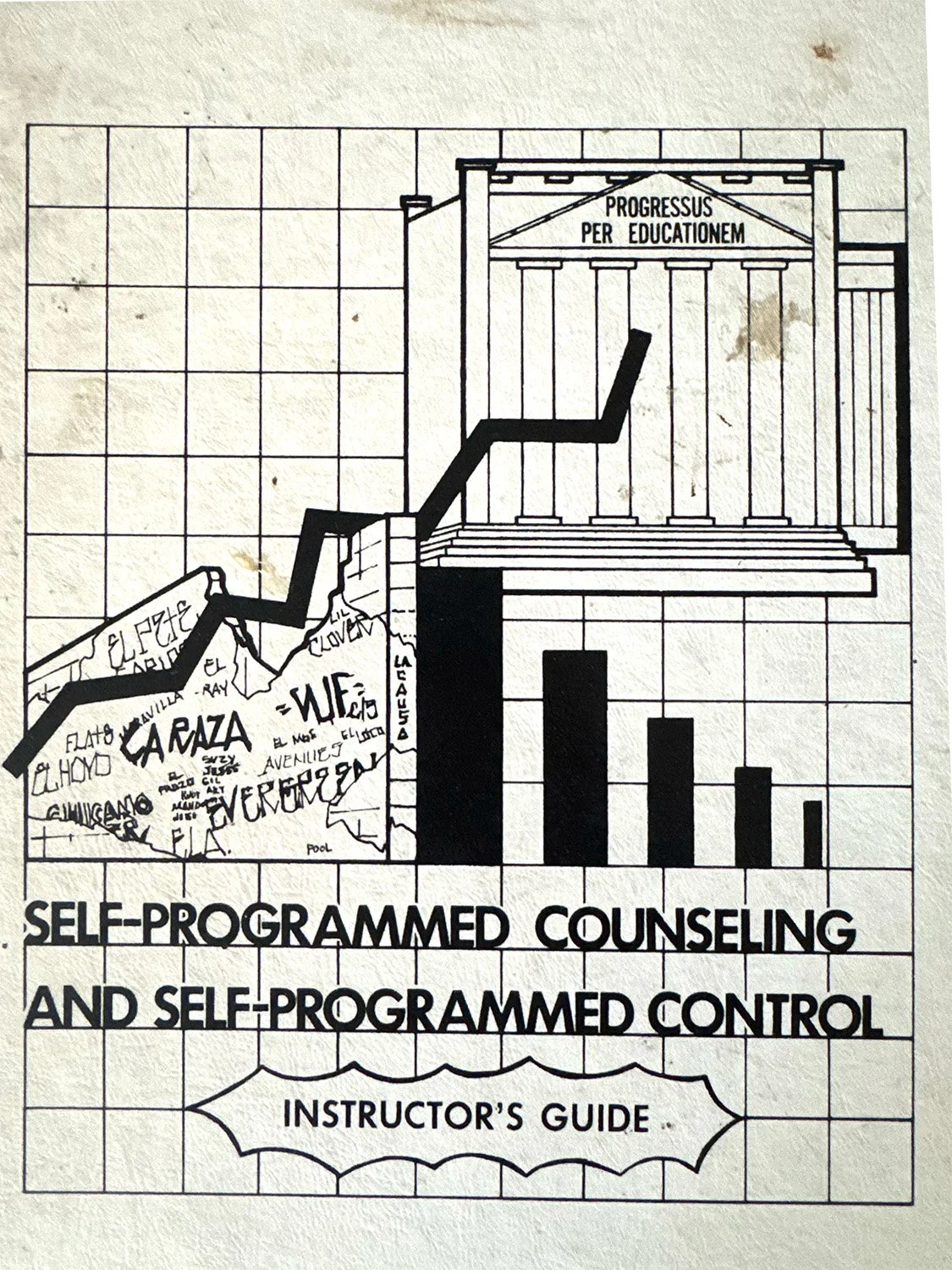
To this day, USTED stands as a unique, bold experiment in improving educational outcomes. Perhaps because it wasn’t born of some bureaucratic, standardized process, or perhaps because others in power sought to redirect its funds to other purposes, it was sidelined by those who could not bring the program under their control. Still, the Mireles model actually worked - and it is worthy of study and even reintroduction now that new forms of technology can be employed to facilitate its success.
In 1963, Ralph Guzman organized a conference for high school students at Camp Hess Kramer outside of Los Angeles. This event served as an incubator for many of the ideals of the Chicano empowerment movement. Mireles not only attended this event, but spoke to the students as a motivational role model. From this conference, the Brown Berets were formed by Vicky Castro, David Sanchez and others. Though my father was never directly involved with the organization, he engaged with and supported the leaders, including Father John B. Luce who used his church as an organizing hub for the movement.
Later, Ray actually hired Brown Beret leader David Sanchez to - secretly - work with him at the college. Had the often jealous faculty and deans been aware that he’d hired a known agitator to work on campus, their complaints and furor would have rampaged straight to the college leadership in Sacramento. Though you wouldn’t find Ray marching out on the streets, he often used his funding muscle to support the movement from the inside.
To this end, Mireles created and funded scholarship associations on campus to help fund the education of students. He brought in money from the state, the federal government and from local businesses to benefit, not the administration, but the individuals who needed it most. Typical of his iconoclastic ways, on one occasion, when threatened by faculty members who resented his efforts, he continued to stand outside selling raffle tickets for a donated car to help raise money for local students in need of an education.
“Before the established power structure within the school knew what was going on, Latinos were in the building - and couldn’t be kicked out.”
One of his goals was to bring in more Latinos into the college so that the faculty and administration better reflected the community that it served. He knew that once someone worked at the college for more than two years, they couldn’t be fired. In semi-secret, he brought other Latinos into positions of influence within the college. Before the established power structure within the school knew what was going on, Latinos were in the building - and couldn’t be kicked out.
In 1969, Ray Mireles pushed for a Chicano Studies program to be founded within ELAC. The non-Latino faculty wanted an “Ethnic Studies” program that could be diluted over time. Even as the students marched outside, the college President, Kim Wells, vacillated. A decision had to be made. Ray told him, “You can be the President responsible for bringing the first Chicano Studies program to any community college in the country.” With that, Wells agreed to sign the paperwork to fund the program. He offered Mireles the opportunity to be the dean of the program.
True to form, he turned down the position. He preferred to lead from the sidelines to create the change that others could benefit from. Recognition and power were never his goals.
In 1973, he continued on with his push to empower Chicanos by working to bring on Armando Rodriguez as the first Latino President of ELAC. Only ten years earlier, Mireles was the first Latino on staff. With his influence and street-born smarts, he saw to it that his vision of Chicano empowerment made it all the way to the top.
During this time, he also studied nights to receive his doctorate in education. As a child, I recall waking up in the middle of the night and rubbing my eyes as I walked into the living room. There I saw my dad working away at his dissertation. True to his previous life as a former pipeline construction worker, he often did so with a Coors beer sitting atop his papers. His favorite record from the Inkspots softly played on the hi-fi.
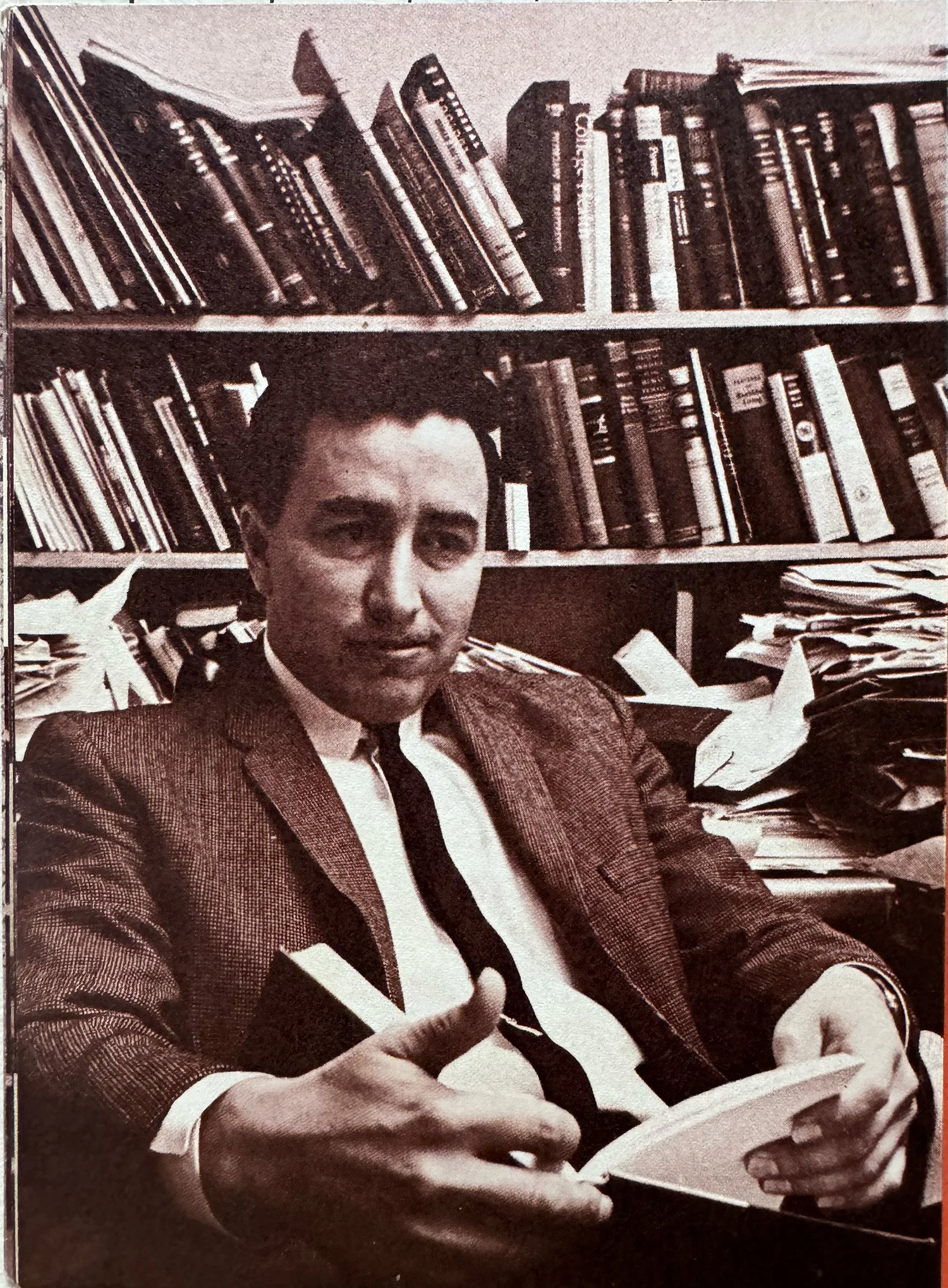
The educator with a goatee and curled mustache was well known at East LA College. Students knew and respected his presence on the campus. He cut a larger than life impact as he worked surrounded by student writers and illustrators in the back office of the campus auditorium. To occupy even in this cramped space was something of a struggle – he earned it only after a fight resolved by the campus President.
At home, he supported a family of four kids and his wife. For 60 years, until her death, he remained married to Brigida Mireles. Though born in rural New Mexico, he loved his home in Whittier – where he remained until his passing in 2026.
Unlike more notable leaders of the civil rights movement, no scandal ever clouded his name.
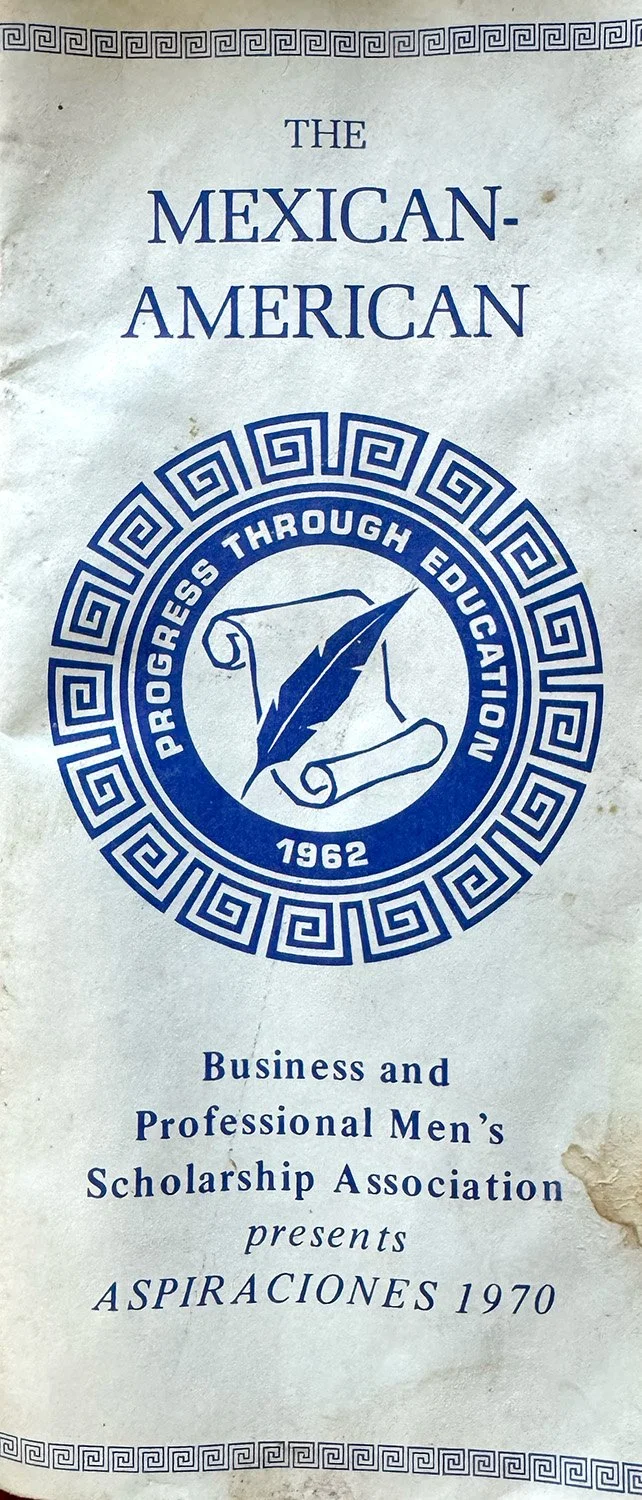
Though he returned to teaching in 1979 and retired in the mid-90’s, his legacy continues to this day. In 2026. the current president of ELAC, Monte Perez, visited with Ray at his house. Looking at a pamphlet saved from the early 70’s, Perez saw his own name on the list of his scholarship recipients. Who knows how many others were helped by his efforts and what impacts it had on their lives?
“He never desired public office nor even photos of him in the limelight. He just quietly worked to create more opportunities and less bigotry for those born with brown skin like his.”
As one of his children, it is no lie to say that he was our hero. He was much more than just our father however. He was indeed an unsung hero to the cause of Chicano equality and empowerment, never seeking praise nor recognition for his work. Unlike so many other civil rights leaders, he never desired public office nor even photos of him in the limelight. He just quietly worked to create more opportunities and less bigotry for those born with brown skin like his.
He deserves a building or street named after him. A larger-than-life mural painted in his honor. Great men deserve recognition for their good deeds – and no one is more deserving than my father, Dr. Sylvester Raymond Mireles.
– John Raymond Mireles, June 2026